
Balanced Diet Plans for Weight Loss
Explore our comprehensive collection of nutrition guides, meal planning strategies, and wellness articles designed to support your journey toward sustainable weight management and healthier eating habits.
Browse Our Content Categories
Filter our articles and guides by topic to find exactly what you need for your nutrition journey.

Mediterranean Diet Guide
Discover the principles of Mediterranean eating—celebrated for heart health and sustainable weight management. Learn which foods to emphasize, traditional preparation methods, and how this approach promotes long-term wellness without feeling restrictive.
Read More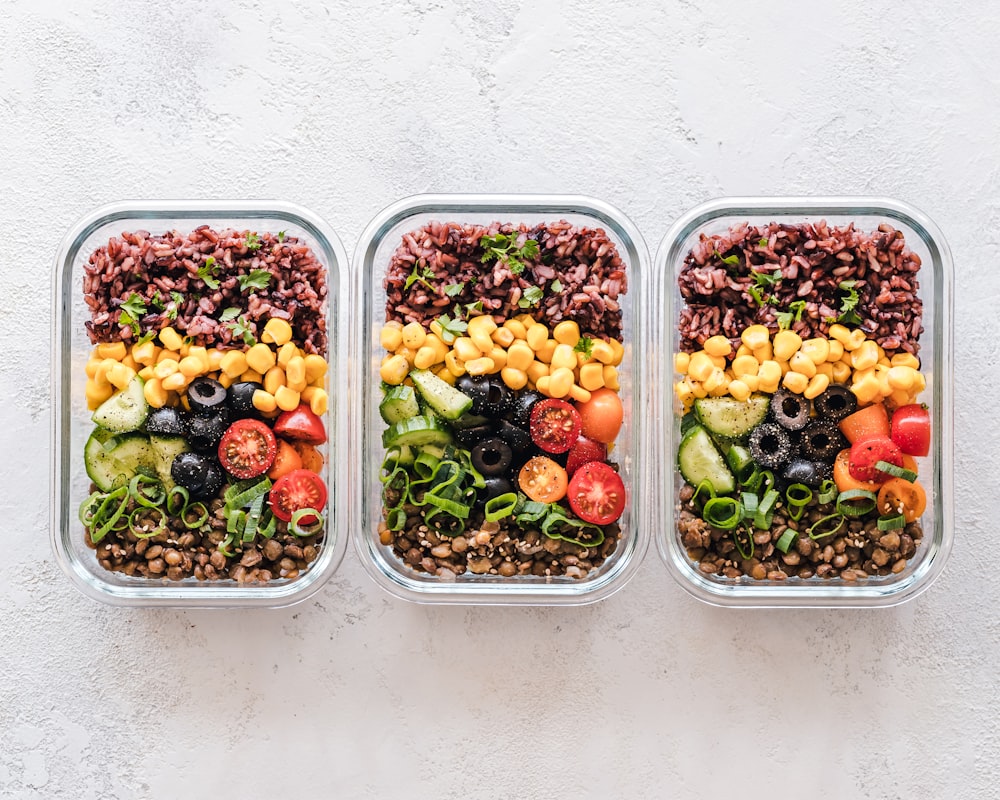
Portion Control Strategies
Master the art of eating balanced portions without counting every calorie. Explore practical techniques like plate method, mindful eating, hand-portion guides, and strategies for restaurant dining that support consistent, healthy choices.
Read More
Plant-Based Nutrition Essentials
Whether you're exploring vegetarian eating or simply reducing animal products, learn how to build nutritionally complete meals with plants. Understand protein sources, micronutrient considerations, and meal combinations for optimal nutrition.
Read More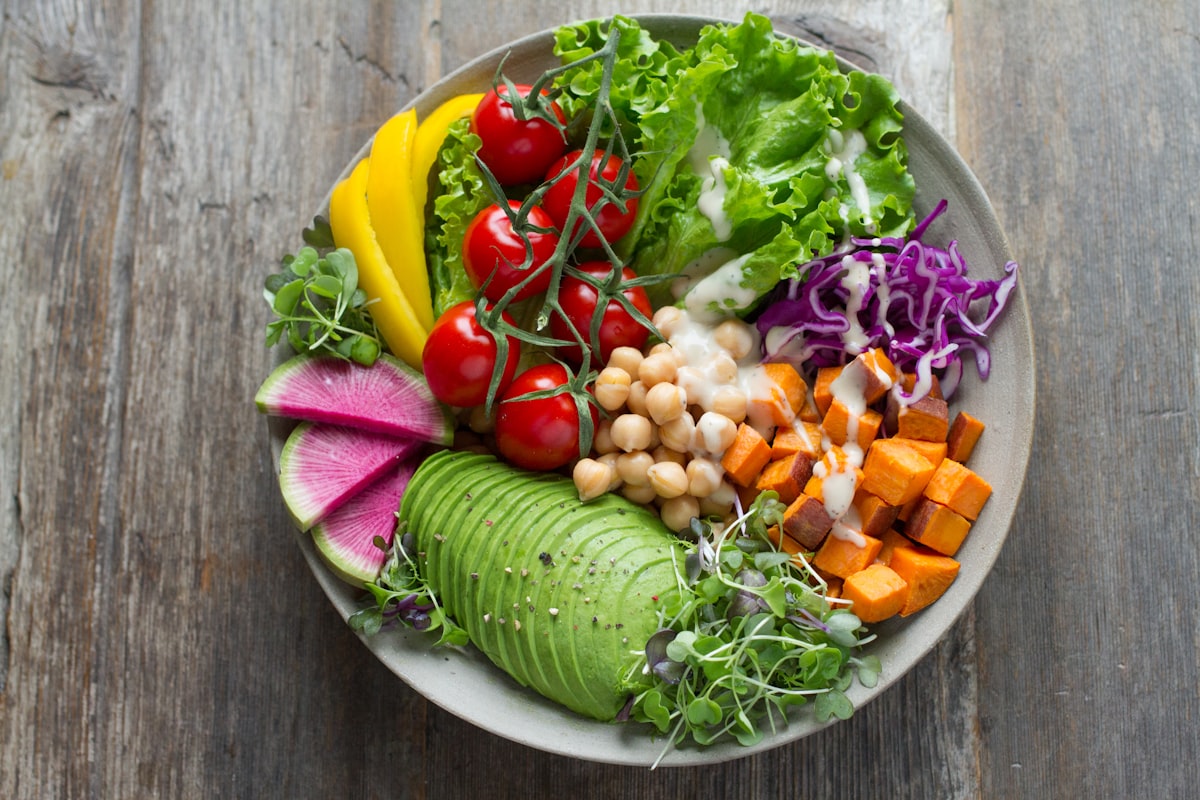
Weekly Meal Prep Guide
Save time and stay consistent with strategic meal preparation. Learn batch cooking techniques, storage best practices, versatile base recipes, and how to build variety throughout your week using simple, whole-food ingredients.
Read More
Healthy Snacking Ideas
Explore nutrient-dense snack options that satisfy cravings while supporting your weight management goals. Discover quick, portable snacks, homemade alternatives to processed options, and how to balance macronutrients for sustained energy.
Read More
Building a Sustainable Eating Pattern
Move beyond short-term dieting to create lasting food habits. Explore psychological principles of behavior change, strategies for managing social eating situations, and how to develop a positive relationship with food that endures long-term.
Read More
Macronutrient Balance Explained
Understand the role of proteins, fats, and carbohydrates in a balanced diet. Learn optimal ratios for different goals, how to identify quality sources of each macronutrient, and practical strategies for building balanced meals.
Read More
Overcoming Common Nutrition Obstacles
Address the real-world challenges that derail nutrition efforts. Learn practical solutions for busy schedules, dining with family, managing cravings, eating on a budget, and staying consistent during travel or stressful periods.
Read MoreSubscribe to Our Nutrition Newsletter
Receive weekly articles, practical meal planning tips, and evidence-based nutrition insights delivered directly to your inbox. Our editorial team curates content to keep you informed about balanced eating approaches.
We respect your inbox. Unsubscribe anytime.

Frequently Asked Questions
A balanced diet for weight management includes appropriate portions of lean proteins, whole grains, fruits, vegetables, and healthy fats. Rather than restriction, it emphasizes nutrient density and satisfaction. The goal is creating eating patterns you can maintain long-term while supporting your body's nutritional needs and energy levels.
Begin with simple, familiar meals before expanding your repertoire. Choose three breakfast options, three lunch options, and three dinner options you already enjoy. Build variety gradually by swapping one ingredient at a time. Focus on batch-cooking proteins and vegetables on one day per week, then mix and match throughout the week. Our meal prep guide offers step-by-step templates to make this manageable.
Yes. The most sustainable approach incorporates foods you enjoy in appropriate portions within an overall balanced eating pattern. Complete restriction typically leads to unsustainable feelings of deprivation. Our articles explore strategies like portion mindfulness, pairing enjoyed foods with nutrient-dense options, and timing enjoyment foods around activity levels to maintain satisfaction while supporting your goals.
Restaurant dining is manageable with planning. Review menus before arrival, identify options with protein and vegetables, and decide on portion strategies beforehand (such as requesting a half-portion or planning to take leftovers home). Use our lifestyle tips article for restaurant-specific strategies, including how to navigate social pressure and ordering modifications without stress.
Quick-fix diets often rely on severe restriction, elimination, or unsustainable rules. While they may produce initial results, they rarely last because they don't align with how people actually eat. Sustainable approaches build realistic food habits, emphasize whole foods with flexibility, and focus on long-term patterns rather than short-term perfection. Our article "Building a Sustainable Eating Pattern" explores this distinction in depth.
Yes. Protein supports satiety and muscle retention, fiber promotes fullness and digestive health, and water supports metabolic function and appetite regulation. Vitamins and minerals from whole foods maintain energy and overall wellness. Our macronutrient balance article explains how to structure meals to include these elements naturally, and our nutrition basics section covers micronutrient-rich foods easily incorporated into daily eating.
Share Your Feedback
Do you have questions about our articles, suggestions for topics we should cover, or feedback about your nutrition journey? Our editorial team values your input and uses reader questions to shape future content.
Send Us Your QuestionsFor content feedback and article suggestions, reach out through our contact form.